Point Cook Brunch Spots
The best Point Cook brunch spots are the ones that match your group, preferred meal, travel route and available time. Point Cook has several dining areas rather than one café strip, so location shapes the whole visit. A quick coffee near the shops calls for a different venue from a long family brunch beside open space.
This guide gives you a clear way to choose. It covers the main dining areas, menu clues, coffee quality, dietary needs and practical details that can make brunch easy or frustrating. Opening hours and menus can change, so confirm them with the venue before leaving home.
Which part of Point Cook should you choose?
Start with the precinct that fits the rest of your day. Point Cook spreads across a large suburban area, and a short distance on a map can become a slow drive during busy shopping periods. Choosing the area first cuts down the options and helps you avoid crossing the suburb for a meal that could have been found closer.
Point Cook Town Centre
Point Cook Town Centre suits people who want brunch near supermarkets, shops and everyday services. It is useful when the meal sits between errands or when members of the group plan to arrive separately. The precinct usually gives diners several food styles within a compact area, which helps when one person wants Breakfast while another wants a lunch-style plate.
The trade-off is activity. Parking areas and café tables can become busy around late morning, especially on weekends. Check where the venue sits within the centre before driving in. The closest car park for one café may be on a different side from the entrance you first see.
Sanctuary Lakes
Sanctuary Lakes is a practical choice for residents on the western side of Point Cook and groups combining brunch with local shopping or a walk. The area can feel less like a single dining strip, so confirm the exact address rather than assuming every venue is near the same entrance or car park.
A Sanctuary Lakes café may suit a slower catch-up, but the setting alone does not prove that a venue can handle a large group. Look for table layout, booking information and recent operating details before choosing it for a birthday or family gathering.
Neighbourhood shopping areas
Smaller local centres can work well for a simple meal close to home. They may offer easier access than a major retail precinct, particularly for a takeaway coffee or an early weekday visit. A neighbourhood café can also be a better fit when convenience matters more than a wide menu.
Do not judge a place only by whether it calls itself a café or Restaurant. Read the menu. Some cafés serve full plated meals, while some restaurant-style venues offer a limited morning range. The actual food, service format and hours matter more than the label.
What kind of brunch are you planning?
The word brunch covers very different visits. A solo coffee before work may take 20 minutes. A family meal can require highchairs, room for a pram and food that arrives without a long wait. A group catch-up may need bookings and flexible payment. Define the visit before comparing menus.
For a quick stop, prioritise parking, visible takeaway service and food that does not require a long kitchen order. For a relaxed meal, look for comfortable seating, a broader menu and a service style that lets the table order at its own pace. Families should check access, children's choices and toilet location. People meeting friends from outside Point Cook should choose an address that is easy to find and describe.
Use a simple hypothetical example. Two adults meeting at 8 am may care most about coffee and fast service. The same venue at 11 am could feel crowded for six adults with two children. The food has not changed, but the fit has. Timing and group needs can matter as much as the menu.
How can you read a brunch menu before booking?
A useful menu shows how much choice the kitchen really offers. Look beyond the names of dishes and check the base ingredients, available sides and likely portion style. This helps you compare value and prevents surprises at the table.
Eggs as food form the base of many brunch menus because they work across poached, fried and scrambled dishes. Check whether eggs come with toast, whether sides cost extra and whether the kitchen allows changes. A low starting price can rise quickly once mushrooms, avocado or meat are added.
Eggs Benedict is a good test of a kitchen's brunch focus. The dish depends on well-cooked eggs, suitable bread, a rich sauce and sensible timing. Menu versions may use ham, bacon, salmon, spinach or another topping. Read the description rather than assuming every venue serves the same plate.
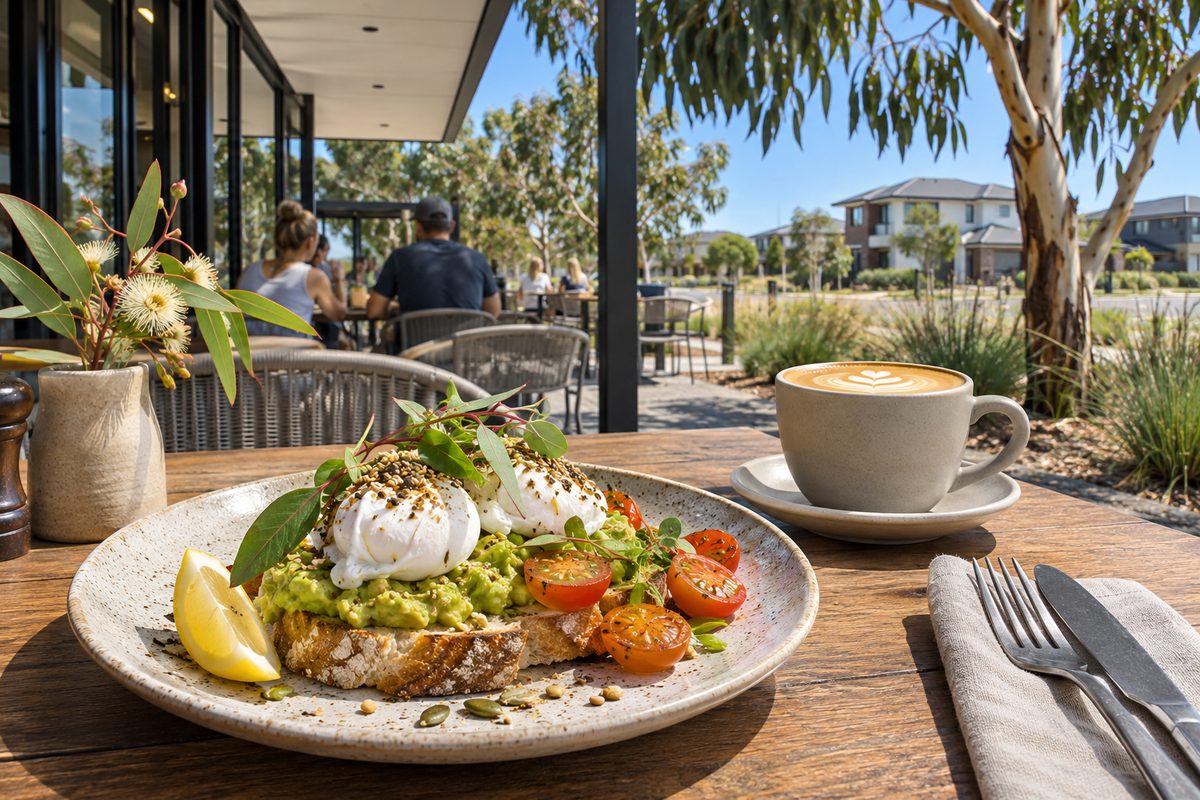
Avocado toast also varies more than its name suggests. One café may serve a simple spread on sourdough. Another may add feta, seeds, herbs, chilli or eggs. If you prefer a plain dish, ask whether garnishes can be removed. If value matters, compare the complete plate rather than the headline price.
People who want something beyond standard café food should scan for grain bowls, breakfast burgers, pancakes, salads and lunch dishes served before noon. A menu with several meal styles can reduce friction in a mixed group, but a long menu does not always mean better cooking. A smaller menu can signal that the kitchen is built around a clear set of dishes.
What shows that a café takes coffee seriously?
Good brunch coffee starts with beans that suit the drink, then depends on grinding, extraction and milk texture. Branding alone cannot prove the result. A venue that names its roaster, offers different brew styles or explains its beans gives customers more useful information.
Coffee roasting affects flavour before the barista starts. A darker roast may produce stronger roasted notes, while a lighter approach can preserve more acidity and fruit character. Neither style is automatically better. The right choice is the one that works with your usual order.
Specialty coffee often refers to closer attention to bean quality, origin and preparation. For the customer, the practical signs are simpler: staff can explain what they serve, espresso tastes clean rather than burnt, and milk drinks have a texture that supports the coffee. If you drink long black or espresso, the bean profile will be more exposed than it is in a large milk drink.
For groups, speed also matters. A beautiful coffee that reaches the table after the meals can weaken the experience. When ordering, ask whether drinks and food will come together if that timing matters to you. For takeaway, check whether the venue has a separate collection point so you do not wait behind seated diners.
How should dietary needs shape the decision?
Dietary labels need careful reading. A menu item described as vegetarian, vegan or gluten free may still require changes, and the kitchen may use shared equipment. Anyone with an allergy or coeliac disease should speak directly with the venue about ingredients and cross-contact.
A gluten-free diet can mean a personal choice, gluten sensitivity or strict medical avoidance. Those needs are not equal. Gluten-free bread does not make the whole plate safe if it shares a toaster, preparation surface or fryer with wheat products. Ask clear questions before ordering and do not rely on a symbol alone.
Plant-based diners should check sauces, bread and add-ons as well as the main ingredient. Eggs and dairy can appear in dressings, baked goods or spreads. People avoiding pork should confirm what meat is used in Benedict dishes and whether another topping is available.
Menu flexibility helps groups, but heavy changes can slow service at busy times. Review the online menu first, then call if the dietary need is strict. This gives the venue a fair chance to explain what it can prepare safely.
When is the easiest time to visit?
Early mornings tend to suit diners who value speed, quieter rooms and easier parking. Late morning brings the classic brunch crowd. Kitchens may face several large orders at once, and popular tables can turn over slowly.
Weekend demand is usually less predictable than weekday demand. Local sport, school events, public holidays and shopping traffic can change the pattern. If your group cannot wait, choose an early sitting or a venue that accepts bookings. If bookings are unavailable, have one nearby alternative selected before you leave.
Check the difference between opening time and kitchen time. A café may open for drinks before its full food service begins. It may also stop taking meal orders before the doors close. Public holiday hours deserve a direct check because standard listings can lag behind temporary changes.
What practical details matter for families and groups?
Access affects whether brunch feels easy. A parent with a pram needs a clear route between the car and table. A guest with limited mobility may need step-free entry and enough room around the seating. Photos can offer clues, but direct confirmation is better when access is essential.
For children, look beyond a dedicated menu. Plain toast, eggs, fruit or a smaller serve may work better than a fixed children's meal. Ask whether the café has highchairs and whether there is space to place a pram without blocking staff or other diners.
Large groups should confirm maximum booking size, table time limits and payment rules. Some venues split bills, while others ask for one payment. Knowing this before the meal avoids a slow discussion at the counter.
Noise also changes the fit. Hard surfaces and close tables can make conversation difficult when a café is full. Outdoor seating may provide more space, but Point Cook's wind, heat and rain can change quickly. Confirm whether an outdoor booking has shelter and whether the venue can move the group inside.
How can you compare price without choosing on price alone?
Compare what arrives on the plate. One menu price may include toast and a side, while another covers only the main item. Add coffee, paid extras and weekend surcharges before deciding which meal offers better value.
Portion size matters, but larger is not always more useful. A well-sized plate with fresh ingredients can offer more value than an oversized meal that becomes waste. Sharing sides may suit a group, though each venue can set its own rules for extra plates or modifications.
Service format also affects the experience. Counter ordering can be fast and clear. Table service can work better for a long meal or guests with limited mobility. Decide what your group values, then judge the total visit rather than comparing two headline prices.
How do you check current information without wasting time?
Use the venue's own website or social page for its latest menu, booking link and notices. Then check the date of the information. An old menu image can remain online after prices or dishes change. Map listings help with directions, but user-edited hours can be wrong during holidays or temporary closures.
Recent customer comments can reveal patterns such as queue length, noise or parking pressure. Treat one review as one person's visit, not a fixed fact. Repeated comments across recent dates carry more weight than a single angry or glowing post.
For more local planning ideas, use the Point Cook Tideline as a starting point, then verify the chosen venue's current details directly. This is especially useful when brunch forms part of a wider day around Point Cook.
What is the simplest way to make the final choice?
Reduce the decision to five checks: precinct, group needs, menu fit, service time and total cost. Remove any venue that fails an essential need, such as safe dietary handling or step-free entry. Compare the remaining options by the part of the visit you care about most.
A strong choice does not need the longest menu or the most popular social media post. It needs to work on the day you plan to go. A café close to Point Cook Town Centre may win for errands and fast access. A Sanctuary Lakes option may work better for local residents planning a slower morning. The right answer changes with the purpose of the visit.
Actionable takeaway: choose one Point Cook precinct, shortlist two brunch venues there, and confirm today's kitchen hours, menu and booking rules before you leave.