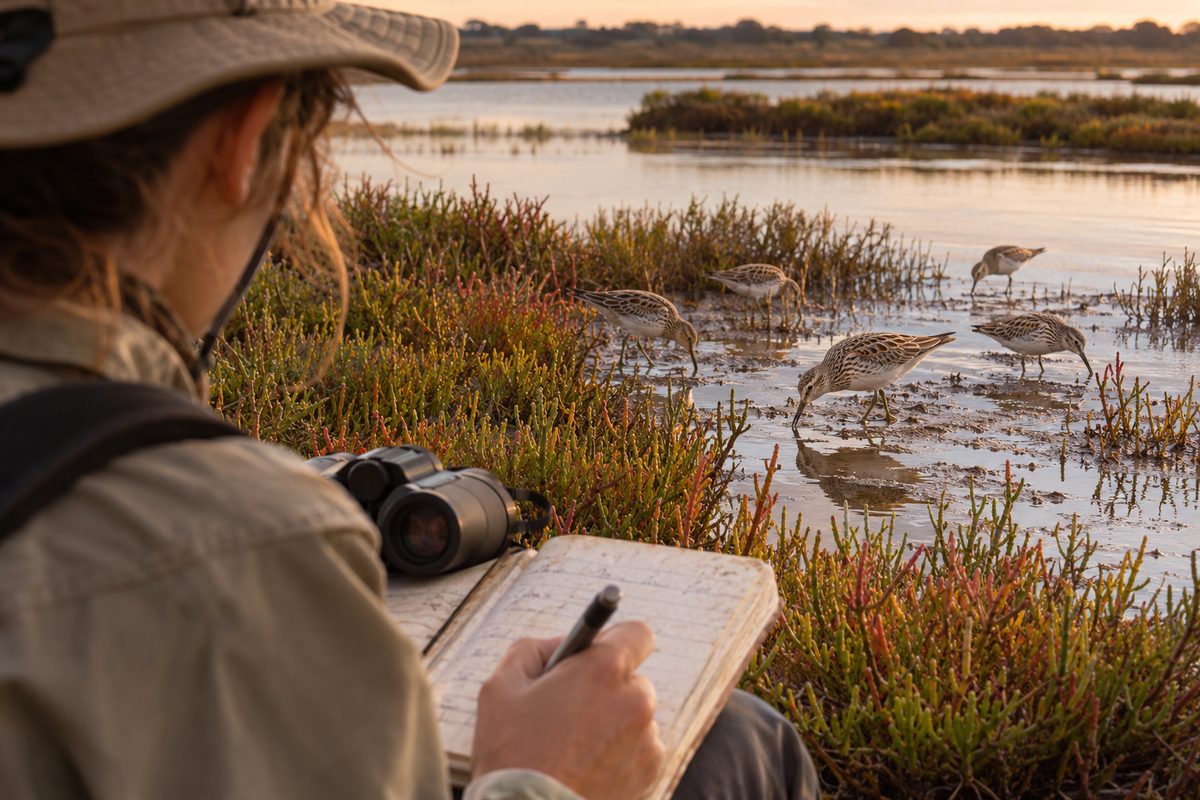
Point Cook Wetland Wildlife Seasons
Point Cook’s wetland wildlife changes most clearly with water levels, migration cycles, tides and daily weather, so each season offers a different viewing experience. Autumn and winter often bring wetter ground and fuller pools. Spring adds breeding activity and new plant growth. Summer can draw wildlife towards the water that remains, while exposing feeding ground around shallow pools and the coast. The best season therefore depends on what you want to see.
This guide covers the wetlands and coastal country around Point Cook Coastal Park and nearby Cheetham Wetlands. These places form part of the western shoreline of Port Phillip. Their mix of shallow water, salt-tolerant plants, mudflats and coastal grassland supports wildlife through changing conditions.
A calendar is useful, but it cannot predict every visit. Rain may fill a basin early. A dry spell may shrink it. Strong wind can push birds into sheltered corners. Tide height can cover or expose feeding ground within hours. Read the season and the conditions together.
What changes in the wetlands from one season to the next?
Water controls much of what visitors see. Some wetland areas hold water for long periods, while shallow sections may expand after rain and contract during dry weather. This movement changes the depth, salinity and amount of exposed mud.
Each wetland Habitat suits a different set of species. Deeper open water may suit swimming birds. Shallow edges give wading birds access to small prey. A Salt marsh supports plants that can cope with salty soil and periodic flooding. Coastal scrub offers shelter from wind and places for small birds to feed.
The source of the water also matters. Fresh water from rain and local drainage can lower salinity for a time. Seawater influence creates Brackish water where salt and fresh sources mix. These shifts affect insects, worms, small crustaceans and each Aquatic animal that can survive in the water.
The result is constant movement. Birds may use one pool for feeding and another for resting. A dry edge that looks empty can become useful after the next rain. A flooded patch may lose its value to small waders until the water becomes shallow again.
What can you expect during autumn?
Autumn is a transition from summer heat towards cooler, wetter conditions. Early autumn may still show dry ground and low pools. Later rain can spread shallow water across flats and depressions.
This change can improve feeding conditions along wet edges. Invertebrates respond to moisture, and birds search newly flooded areas for food. Ducks and other water bird species may move between open pools, while waders work along muddy margins where the water is only a few centimetres deep.
Autumn can also bring movement among migratory shorebirds. Some long-distance visitors prepare to leave southern Australia for breeding grounds in the Northern Hemisphere. Their timing varies by species and year, so one visit cannot show the full change.
For visitors, autumn often offers mild walking conditions. Choose a calm morning if you want to hear calls and watch feeding behaviour. After rain, expect soft ground, puddles and slippery edges. Stay on formed routes because footprints can damage low plants and disturb feeding areas.
Why can winter be good for wetland viewing?
Winter rain can refill shallow basins and soften dry margins. More water does not always mean more visible wildlife in every spot. It spreads birds across a larger area and may make some feeding zones too deep for short-legged waders.
Look across the whole wetland rather than stopping at the first pool. Birds often gather on sheltered water, raised islands or banks protected from the wind. A section facing harsh weather may appear quiet while a nearby corner holds an active group.
Winter also changes the visitor experience. Low sun can create glare when you face the water. Cloud can soften that glare, making colours and movement easier to see. Wet paths and cold coastal winds require warm layers and firm footwear.
Birds conserve energy during poor weather. Give resting flocks extra room. If several birds raise their heads, call, bunch together or walk away as you approach, you are too close. Step back before they take flight. Repeated forced flights cost energy that wildlife needs for feeding and warmth.
What makes spring different?
Spring brings longer days, plant growth and more insect activity. Resident birds may display, defend space or care for young. Some species become easier to notice because they call more often. Others become harder to see because they stay close to nests or hide in dense cover.
Breeding activity calls for careful viewing. Never leave a track to approach a nest, chick or adult giving alarm calls. Ground-nesting birds can place eggs in open areas where they are hard to see. Dogs, even calm dogs, can cause adults to leave a nest or move chicks away from shelter. Follow all local signs and leash rules.
Spring weather can change fast beside Port Phillip. A mild start may turn windy as the day warms. Earlier visits often provide calmer water, clearer reflections and less heat shimmer. They may also reduce conflict with other track users.
New growth can hide parts of the water’s edge, but it also supports food chains. Plants shelter insects and small animals. Those animals feed fish, frogs or birds where local water conditions suit them. The most active patch may be a rough-looking edge rather than a wide area of open water.
How does summer change where wildlife gathers?
Summer heat increases evaporation. Shallow pools may shrink, salinity may rise and exposed mud may spread. Wildlife often gathers near remaining water, shaded margins or coastal feeding areas. This concentration can make animals easier to find, but it also makes disturbance more harmful.
Low water can reveal feeding ground that was covered in winter. Waders probe damp mud for small prey. Other birds may use exposed banks for resting. Dry grassland and shrub areas can still support reptiles, insects and land birds even when a basin holds little water.
The coast adds another cycle. At low tide, the Intertidal zone may expose mud, sand, rock and plant matter that contain food. As the tide rises, feeding birds move towards higher ground or roost sites. A summer visit planned around tide time may show more than a visit based only on the month.
Heat changes safe visiting hours. Go early, carry water and avoid pushing through exposed routes during extreme conditions. Never enter closed areas during high fire danger or local emergency restrictions. Check official park notices before leaving home because access can change after fire, flooding or maintenance.
How do Cheetham Wetlands and the coastal park fit together?
Cheetham Wetlands and Point Cook Coastal Park sit within a larger coastal system rather than acting as isolated wildlife spots. Wetlands provide feeding and resting areas. Salt marsh and mudflats connect water with land. The bay shoreline gives birds access to tidal food sources.
This connection explains why wildlife may seem abundant on one visit and scarce on another. Birds can move beyond the part visible from a public track. They may follow water depth, shelter, food or tide conditions into another section of the system.
Cheetham Wetlands is also sensitive country with controlled public access. Use designated viewing points and obey closure signs. A distant view through binoculars is more useful than a closer approach that disrupts wildlife or enters a protected area.
Point Cook Coastal Park gives visitors a way to read the meeting of wetland, coast and grassland. Allow time to scan several habitats. Checking only the largest pool can cause you to miss shorebirds on a mud edge or small birds moving through low vegetation.
For broader local context before planning a day out, the Point Cook Tideline local guide can help connect the wetland visit with other Point Cook information.
What time of day gives you the best chance of seeing wildlife?
Early morning is often the easiest starting point. Wind may be lighter, tracks may be quieter and birds may be feeding after the night. Late afternoon can also bring activity as heat drops, but park closing times and fading light must guide your plans.
Tide time can matter more than clock time near the bay. A falling tide exposes feeding ground. A rising tide pushes shorebirds away from low flats. High tide may bring birds to roost sites, where they need space and quiet.
Sun position affects what you can identify. Keep the sun behind you where possible. Strong backlight turns small birds into dark shapes and hides leg or bill details. From a fixed viewing point, shift your attention to a side-lit bank rather than staring into glare.
Weather affects sound as well as sight. Strong wind hides calls and shakes scopes or cameras. Light rain may increase activity around shallow water, but heavy rain can limit visibility. Never approach wildlife to make up for poor viewing conditions.
How can you tell what wildlife is doing?
Start with behaviour before trying to name a species. Note whether the animal is feeding, resting, preening, calling or moving between habitats. Behaviour often explains why it chose that part of the wetland.
Bill shape and leg length offer useful clues. A bird with long legs can feed in deeper water than a small shorebird. A broad bill may strain food from water, while a narrow bill can probe mud or pick prey from the surface. You do not need an exact name to understand the link between body shape and feeding place.
Watch groups for several minutes. A flock that appears still may contain birds taking turns to feed and rest. One edge of the group may move as the waterline changes. Predators, people or dogs can cause a sudden alert response.
Record the date, water level, tide stage and weather with each sighting. These notes reveal seasonal patterns better than a list of species alone. They also stop one unusual visit from becoming a false rule about the whole season.
What should you take for a useful wetland visit?
Carry gear that helps you observe without moving closer. Binoculars are the most useful item. A phone can record notes and wide views, though distant birds may remain too small for reliable identification.
- Take binoculars with a comfortable neck strap.
- Wear closed shoes suited to damp or uneven tracks.
- Bring drinking water, sun protection and a windproof layer.
- Use an offline map if mobile coverage may be weak.
- Pack a small notebook or save observations in a birding app.
Keep food sealed and take all rubbish home. Do not feed birds. Human food can harm them, change natural behaviour and draw aggressive species into busy visitor areas.
How can you watch wildlife without changing its behaviour?
Use distance as your main tool. Stop when wildlife notices you, then wait quietly. Animals often return to feeding once they decide you are not moving closer.
Remain on public paths and behind barriers. Avoid loud playback of bird calls. Playback can draw territorial birds away from feeding, nests or young. It may also create a false sense that a species is common at a site.
Never block a bird’s route between water and shelter. Give large flocks a wider buffer because one startled bird can send the whole group into flight. Keep children close near viewing areas and explain that quiet movement leads to better sightings.
Photography should follow the same rules. A larger image is not worth flushing a resting flock. Use optical zoom, crop later or accept a wider scene that shows the animal within its Habitat.
How should you plan for seasonal uncertainty?
Plan for conditions, not a promised species list. Check recent weather, tide times, temperature, wind and official access notices. Then choose a viewing goal such as watching feeding behaviour, comparing water depths or recording which habitats are in use.
A hypothetical winter visit after steady rain may show broad flooded areas with birds spread far from the track. A summer visit at low tide may reveal more concentrated feeding along exposed edges. Neither visit is better. Each shows how wildlife responds to available water and food.
Return to the same public viewpoint in another season if you can. Use the same scan from left to right and record the waterline. This simple comparison makes changes in vegetation, bird use and pool size easy to recognise.
What is the one action that will improve your visit?
Check the tide, weather and park notices on the morning of your visit, then observe from marked public routes without making wildlife move.