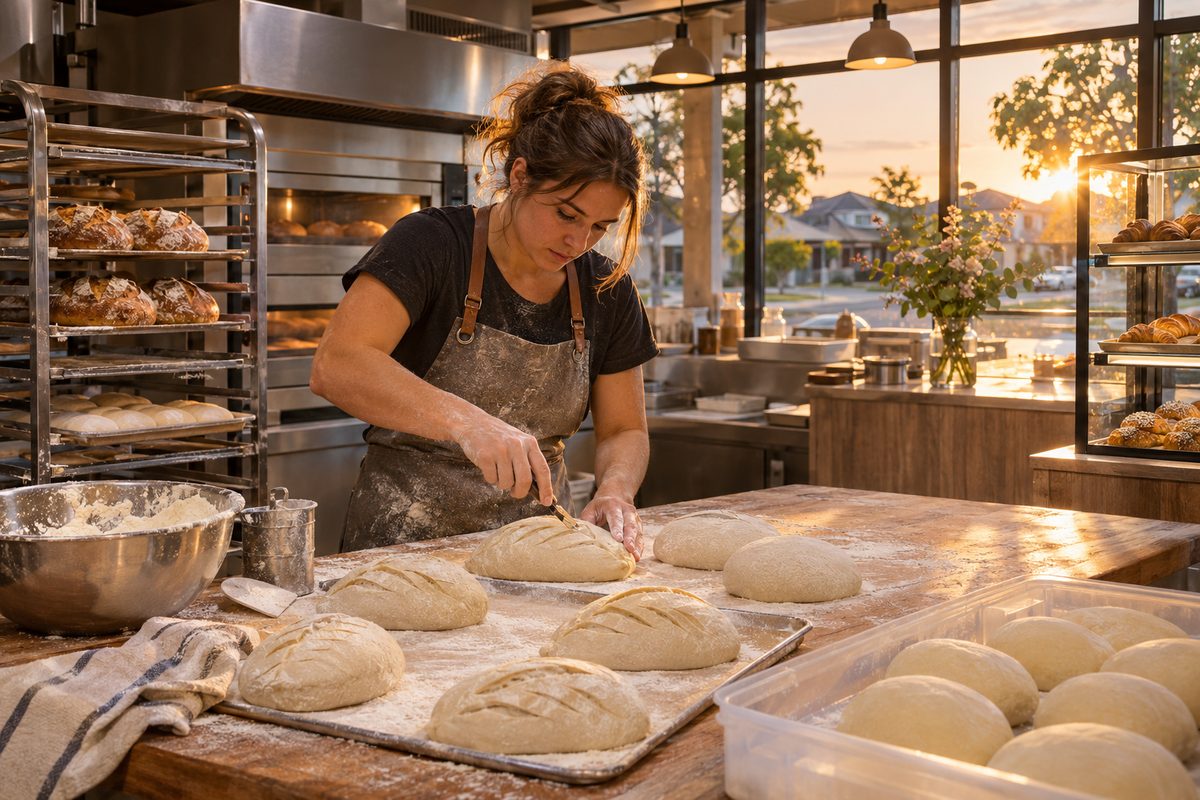
Point Cook Bakeries
The best Point Cook bakeries are the ones that match the product you need with the time you plan to collect it. A shop known for fresh bread may not be the best choice for a detailed birthday cake. A cake studio may require several days of notice, while a neighbourhood Bakery can serve a quick lunch in minutes. Choosing by product, timing and dietary need gives you a better result than searching for one bakery that does everything.
Point Cook has bakery options around its shopping centres, residential areas and nearby commercial strips. These businesses serve commuters, families, school communities and people arranging local events. The range can include everyday loaves, Sourdough, pastries, pies, a Sausage roll, celebration cakes and custom orders. Stock and opening times can change, so confirm the details with the business before making a special trip.
What kind of bakery should you choose?
Start with the item you care about most. Bakeries often sell similar products, but their main strengths can differ. Some focus on fast, familiar Food such as sandwiches, pies and sweet pastries. Others put more time into slow-fermented Dough, artisan Bread or decorated cakes.
For a weekday loaf, look for a bakery with frequent production and a collection time that suits your routine. A convenient shop with steady turnover may be more useful than a specialist located farther away. Freshness matters, but so does whether the bread suits lunches, toast or the family meal you have planned.
For pastries, ask when the main batch comes out. Laminated items can lose their crisp texture after sitting in a warm cabinet. Buying closer to the bake time often gives a better result. This matters for croissants, Danish pastries and products filled after Baking.
For a celebration, choose a business that clearly accepts advance orders. A custom Cake involves more than selecting a flavour. The baker may need the event date, serving number, design, filling, message and collection time. Complex shapes and edible images may need extra notice.
A practical hypothetical example is a family planning a Saturday party at home in Point Cook. They need a cake for 24 guests, but they also want bread rolls for lunch. Ordering both from the closest shop may seem easy. Yet the better result may come from a cake maker for the decorated centrepiece and a local bread bakery for rolls collected that morning.
When should you buy bread and sourdough?
Buy bread as close as possible to the time you will eat it, unless you plan to freeze it. Most fresh loaves taste best on the day of purchase. Enriched bread and packaged sandwich loaves may stay soft for longer, while crusty loaves change faster once cut.
Sourdough needs a little more thought. The name alone does not tell you how the loaf was made. Traditional sourdough uses a live starter and a longer fermentation period. Some commercial loaves use added yeast or acidity to speed up production. Ask the bakery how it ferments the Dough if the method matters to you.
A good loaf should suit its purpose. An open crumb and firm crust can work well with soup or cheese. It may be less useful for a young child's sandwich because fillings can fall through the holes. A softer sliced loaf may be the smarter family choice even if it looks less impressive.
Check the crust, weight and cut surface when possible. A loaf that feels unusually light may have a very open centre. A dense loaf may suit toast but feel heavy in a sandwich. If the bakery slices bread, say how you plan to use it. Thin slices work well for packed lunches, while thicker slices hold up better under eggs or wet toppings.
Storage changes the result. Keep a crusty loaf in paper for short-term use if you want to protect the crust. An airtight bag keeps bread softer but also softens the outside. For longer storage, slice the loaf and freeze it. You can remove only what you need and toast it from frozen, which cuts waste.
How do you order the right birthday cake?
Order a Birthday cake according to the number of portions, not the number of people invited. Some guests will skip dessert, while others may want a larger slice. The serving guide also changes with the cake's height and shape. Ask the baker how many dessert-sized portions the proposed design provides.
Give the bakery clear information in one message. Include the collection date, preferred flavour, serving number, theme and wording. State any firm budget limit. A reference image can explain the style, but copying another maker's exact design may not be possible. Colours can also look different in icing than they do on a phone screen.
Ask what the quoted price includes. Decorations, toppers, special fillings and delivery may cost extra. Confirm whether the cake needs refrigeration and how long it can remain at room temperature. This is especially relevant during warm weather in Melbourne's west.
Transport deserves as much care as the design. Keep the cake level in the vehicle, ideally on the floor or another flat surface. A car seat slopes and can cause layers to shift. Cool the car before collection and drive gently. Do not leave a finished cake in a parked vehicle.
Check the final order details before paying a deposit. Spelling errors in names and age numbers are easy to miss when plans move quickly. Keep the written confirmation so both sides have the same collection time and design notes.
What makes a good quick bakery lunch?
A good bakery lunch should be fresh, filling and easy to eat at the time you buy it. Hot cabinets can contain pies, savoury pastries and the familiar Sausage roll. Cold cabinets may offer sandwiches, wraps and filled rolls. The best choice depends on turnover and storage, rather than appearance alone.
Ask whether a hot item has been held for a long period if the pastry looks dry. A crisp base and hot centre usually give a better eating experience than a product with a soft underside. If food is reheated, make sure it is hot through the middle before leaving.
For sandwiches, check whether they are made that day and kept chilled. Fresh salad can release moisture into bread over time. A heavily filled sandwich may look generous but become difficult to eat on the move. A simpler filling in sturdy bread can work better for a work break or trip between local appointments.
Value is more than size. A large pastry with little filling may be poor value, while a smaller item with well-seasoned filling can be satisfying. Consider whether you need a full meal or a snack. Adding a sweet item because it is part of a deal can cost more and create waste if nobody wants it.
How should dietary needs be handled?
Tell staff about dietary needs before ordering, especially when the requirement is medical. A product described as flourless, low gluten or made without gluten ingredients is not automatically safe for a person on a strict Gluten-free diet. Shared benches, utensils, mixers and display cabinets can allow cross-contact.
Ask direct questions. Find out whether the product is made in a separate area, whether dedicated tools are used and how it is stored. A bakery should be able to explain its process. If staff cannot give a clear answer, choose a sealed product with reliable ingredient and allergen information or use a specialist provider.
Vegan and dairy-free orders also need confirmation. Dark chocolate, margarine, glaze and decorative pieces can contain milk. Egg may appear in pastry wash, icing or fillings. Nut-free requests require the same care because nuts may be processed in the same kitchen.
Preferences can be handled with more flexibility than allergies. Someone avoiding dairy by choice may accept a product made in a shared kitchen. A person with a diagnosed allergy may not. State which situation applies so staff can give useful information rather than guessing.
How can you judge quality before placing a large order?
Buy a small sample before ordering for a party, workplace or school event. Test the exact type of product you intend to buy. A bakery's sweet pastries may be excellent while its catering rolls may not suit your needs. One purchase gives you useful information about flavour, texture, portion size and service.
Look at how products are labelled and stored. Clear names and prices make selection easier. Chilled fillings should remain cold, and hot food should be kept in suitable equipment. Clean serving tools and careful handling matter more than decorative displays.
For a bulk order, ask how the food will be packed. Individual bags may suit a meeting but create more waste. Trays can work well for a private event if the food will be served soon. Confirm whether the bakery supplies labels for mixed orders, particularly when several fillings or dietary products look alike.
Set a collection time and arrive close to it. Early arrival can create pressure if the final batch is still being prepared. Late arrival may affect product quality or leave staff holding a large order near closing time. If plans change, contact the bakery promptly.
Where should you look for bakeries in Point Cook?
Begin with the shopping area that fits your normal route. Point Cook Town Centre, Sanctuary Lakes Shopping Centre, Featherbrook and smaller neighbourhood centres are logical places to check. Nearby options outside Point Cook may also be useful for specialist cakes or dietary products, but confirm the address before travelling.
Search results and map listings can help identify candidates, yet they can contain old hours, menus or photos. Check the bakery's own current channels or call directly when timing matters. Public holiday trading deserves extra care because regular hours may not apply.
Reviews are most useful when they describe a recent purchase and name the product. A comment about a loaf, cake order or lunch item gives more information than a rating with no detail. Read for repeated patterns rather than treating one complaint or one glowing review as proof.
For more local information and guides, visit Point Cook Tideline. Local planning works best when bakery collection fits with the rest of the day, especially when traffic, school times or an event deadline leaves little room for delay.
How can you get better value without losing quality?
Pay for the feature that matters. If the cake will be served after a large meal, a simple finish and strong flavour may offer more value than complex decoration. If bread is for toast, yesterday's quality loaf may still perform well when toasted. Some bakeries reduce selected items late in the day, though availability should never be assumed.
Plan quantities from likely use. For a gathering, count confirmed guests and decide whether bakery food is the main meal or one part of it. Oversized orders raise the cost and often leave products that do not store well.
Use the freezer for suitable bread and plain baked goods. Label items with the date and freeze them while fresh. Products with fresh cream, delicate icing or crisp pastry may not thaw as well, so ask the bakery for storage advice.
Compare like with like. A handcrafted sourdough loaf can cost more than a standard sandwich loaf because the process, ingredients and production time differ. The higher price only offers value if you want those features. The cheapest loaf can be the right choice for school lunches, while a specialty loaf may earn its price at a shared meal.
What should you confirm before leaving home?
Confirm that the business is open and the product is available. Popular bread and pastry lines can sell out before closing. Custom work should have a written order record with the collection date, price and payment status.
Bring a suitable bag or box support if you are collecting several items. Clear enough space in the vehicle for a cake. If the order includes hot and cold food, keep them separate during transport.
Inspect custom items at collection. Check the name, age, colour and visible condition while staff can still help. Count boxes in a large order and confirm any dietary labels. This brief check prevents a small error from becoming a problem at the event.
Choose two Point Cook bakeries based on the exact product you need, confirm availability directly, then test a small order before trusting either one with a major occasion.