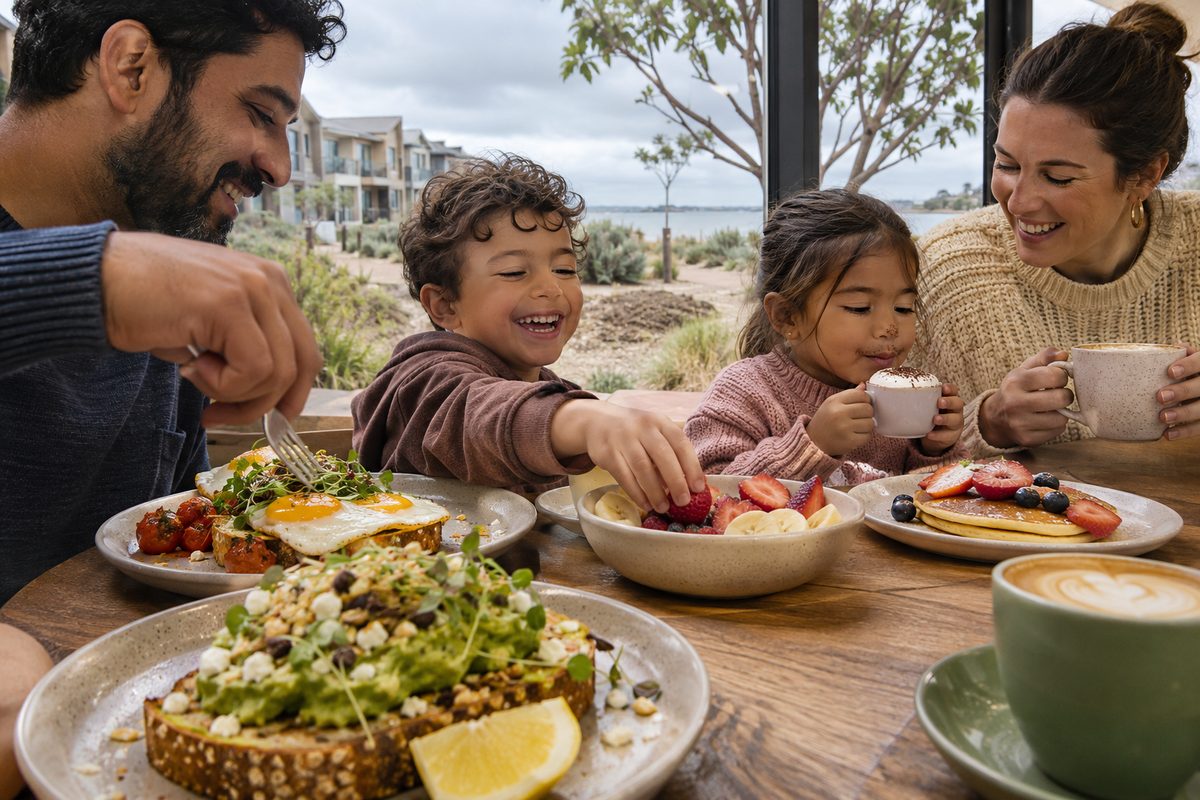
Point Cook Breakfast with Kids
The best Point Cook breakfast with kids is an early meal at a casual venue with fast service, familiar food and room for children to settle. A long menu matters less than a smooth visit. Choose a place where the children can eat soon after arrival, adults can order good Coffee, and the family can leave without turning breakfast into a major event.
Point Cook has cafés and family dining options around shopping areas, residential streets and major roads. The right choice depends on your children’s ages, their food needs and what you plan to do next. Opening hours, menus and facilities can change, so confirm the current details with the venue before leaving home.
What makes a breakfast venue work well for children?
A child-friendly breakfast starts with practical details. Look for highchairs, space beside the table and a menu with simple dishes. Fast table clearing also helps because cups, plates and toys can soon fill a small table.
Noise level matters too. A busy café can suit a lively family because normal child sounds attract less attention. Yet a packed room may be hard for a child who dislikes noise. Photos and recent customer comments can help you judge the room before booking, though a direct call gives you the clearest answer about current seating.
A Coffeehouse may sound ideal for adults, but some small venues focus on takeaway orders and have little room for prams. A larger Restaurant may offer more seating but take longer to serve meals. Neither format is always better. The useful question is whether its service style matches your family.
Check these details before choosing:
- Whether highchairs are available and need to be requested
- Whether a pram can fit at the table without blocking a walkway
- Whether children’s meals can be served before adult meals
- Whether toilets and baby-change facilities are nearby
- Whether bookings are accepted during the morning rush
- Whether the venue can explain allergen controls clearly
When should your family arrive?
Go early if you want the calmest meal. Children are often hungry soon after waking, while popular venues tend to become louder as the morning moves on. An early arrival can also mean easier parking and a shorter wait for food.
The best time is tied to your child’s usual routine. A toddler who eats at 7 am may struggle if breakfast is delayed until 9 am. Give that child a small snack before leaving or select a venue that opens early. A school-aged child may handle a later booking, especially if the family wants a slower weekend meal.
Ask about peak periods when you call. The busiest time can differ between weekdays, weekends and public holidays. Do not assume the hours shown in an old directory listing remain correct. Check the venue’s current website, booking page or social account on the day.
If you have a fixed activity after breakfast, allow more time than the cooking estimate. Parking, ordering and toilet stops can extend a short meal. A generous buffer removes the pressure to hurry a child who is still eating.
Which breakfast foods are easiest for children?
Simple food gives families the best chance of an easy meal. Toast, yoghurt and Fruit are familiar choices that can be served in small portions. Ask for spreads or sauces on the side if your child prefers food kept separate.
Eggs as food give families several flexible options. Scrambled eggs are easy to divide, while poached or fried eggs may suit older children. Ask how the eggs are cooked and what comes on the plate. A dish described as eggs on toast may include garnish, seasoning or sauce that a cautious eater will reject.
Pancakes and waffles can be appealing, but toppings may make them very sweet or messy. Request syrup, cream or chocolate on the side. This lets the child control the taste and makes it easier for an adult to limit the portion.
Breakfast cereal can help a child who will not eat café-style food. Do not assume every venue stocks it, even when it has a children’s menu. Ask whether cereal is available and whether the milk can be changed for a dietary need.
Large adult dishes can be shared, but check what is included before ordering. Some children will eat half a serving of toast and eggs. Others become upset when different foods touch. In that case, separate side dishes may work better than one large breakfast plate.
How can adults order well without slowing the meal?
Choose food that is easy to pause. Parents often cut toast, wipe spills or help a child use the toilet while their own meal cools. Eggs, toast and breakfast rolls usually cope better with interruption than dishes that depend on being eaten at once.
If Coffee is part of the morning, order it when the venue’s service flow suits you. A takeaway cup may be safer around small hands, even when you are dining in. Keep every hot drink beyond a child’s reach and away from the table edge.
One adult can order while the other settles the children, but review the menu before arrival if possible. This cuts decision time. It also lets you identify dishes that need changes without trying to read a long menu while supervising a restless child.
Paying at the counter before the meal may make departure easy. Where payment happens at the end, ask for the bill before the children lose patience. This is a small step, yet it can prevent ten difficult minutes after everyone has finished eating.
How should you handle allergies and dietary needs?
Contact the venue before visiting when an allergy is involved. A menu label alone cannot tell you how food is stored, prepared or served. Ask about the named allergen, shared equipment and the venue’s process for reducing cross-contact.
Use clear terms. State that the request concerns an allergy rather than a preference. Staff should be able to tell you what they know without guessing. If they cannot give a clear answer, choose another venue or bring food that is safe under your family’s normal plan.
Plant-based and gluten-free choices also need checking. A dish may use suitable ingredients but be cooked on shared equipment. Families must decide whether that meets their needs based on the reason for the restriction.
Do not introduce an unfamiliar food during a rushed meal away from home when a child has known medical concerns. Follow the advice given by the child’s qualified health professional. Keep any prescribed medication with you and know where it is stored.
Where in Point Cook should you look?
Point Cook Town Centre is a practical starting area because families can combine breakfast with shopping or errands. It may also offer access to parking and public facilities. Busy retail periods can increase traffic and wait times, so check the venue’s location and parking access before setting out.
Smaller neighbourhood cafés may provide a quieter room and a shorter walk from nearby homes. Their seating can be limited, which makes a booking or phone call useful. A venue beside a major road may be easy to reach by car but less pleasant for a walk with young children.
Do not choose by distance alone. A café that is five minutes farther away may save time if it accepts bookings, has easier parking and serves a suitable children’s meal. Compare the whole trip from leaving home to finishing breakfast.
For more local planning ideas, use the Point Cook Tideline as a starting point, then confirm operating details with each business. Local guides help narrow the options, while the venue remains the best source for its current hours, menu and booking rules.
Should breakfast include play afterwards?
A short activity after eating can give the morning a clear shape. A walk, library visit or Playground stop can work well when it suits the weather and the child’s energy. Choose the activity before breakfast so you can pack what it needs.
Keep the meal and play plans separate when judging a venue. A café does not need play equipment to be family-friendly. Safe seating, useful food and prompt service often matter more. The family can then move to a purpose-built play space rather than expecting children to play around dining tables.
If outdoor play is planned, check the forecast and pack water, hats and weather protection. Inspect the play area when you arrive because surfaces, gates and equipment conditions can change. The separate Point Cook local guide can help you plan nearby options without turning breakfast selection into a full review of play areas.
How can you keep the cost under control?
Read the current menu before visiting. Add the likely cost of drinks, side dishes and child meals rather than comparing only the price of the main breakfast. Small extras can change the total quickly.
Sharing can reduce waste when portions are large, but do not rely on it unless the dish contains enough food each person will eat. Ordering one safe side for a cautious eater may cost less than buying a full children’s meal that returns untouched.
Bring a reusable water bottle if the venue allows it, and ask whether table water is available. Decide in advance whether each person will order a drink. A family can still enjoy the outing without turning every menu choice into a treat.
Value also includes time. A cheaper venue is poor value if a long queue causes you to miss a booking or buy extra snacks for hungry children. Compare cost with service speed, portion fit and convenience.
What can prevent common breakfast problems?
Most problems begin before the food arrives. Hunger, boredom and unfamiliar surroundings can make waiting hard. Pack one quiet activity, such as a small book or drawing pad. Avoid toys with many loose pieces that can roll under other tables.
Tell children what will happen in plain terms. For example: We will order, wait for our food, eat, then go for a walk. This is a hypothetical script, but its clear order can help a child understand the visit.
Request changes when ordering rather than after the meal arrives. Ask for toast unbuttered, toppings on the side or a spare plate. Show staff where the highchair or pram needs to fit before they place hot drinks on the table.
Be ready to shorten the visit. If a child becomes overwhelmed, ask for suitable food to be packed and leave calmly. Staying longer rarely repairs a meal once everyone is upset.
What should you check before leaving home?
- Confirm the opening time, address and kitchen service hours.
- Review the menu for at least one food each child will accept.
- Ask about highchairs, pram space and bookings where needed.
- Discuss allergies directly with the venue before ordering.
- Check parking, travel time and any road delays.
- Pack wipes, water and one quiet activity.
- Choose a simple plan for after breakfast.
Choose one suitable Point Cook venue, confirm its current details directly, and arrive before your children become hungry.