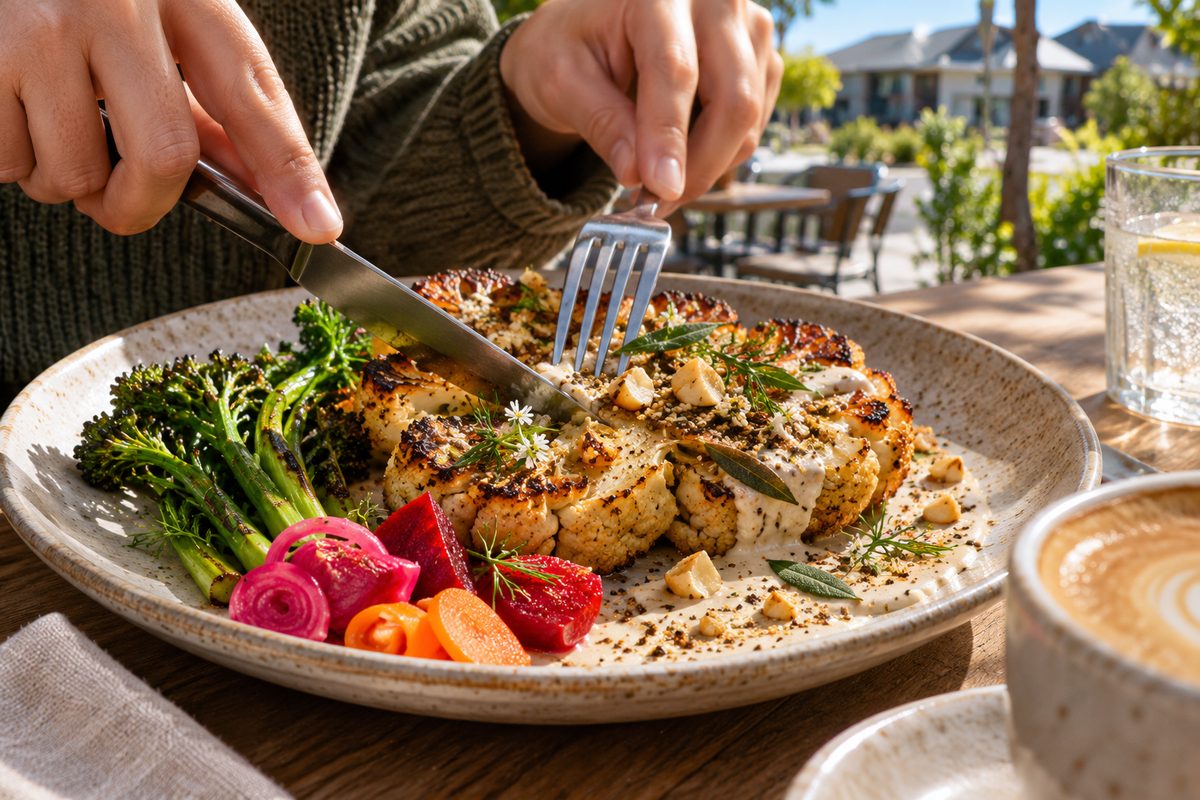
Vegetarian Dining Options in Point Cook
Point Cook offers vegetarian choices across Indian restaurants, Mediterranean venues, pizza shops, cafes and casual dining rooms. The best choice depends on whether you want one meat-free dish or a full Menu with several well-made options. Check current menus before leaving home because dishes, prices and opening hours can change. This guide explains how to compare local choices, spot weak substitutions and order with confidence.
How can you find a good vegetarian meal?
Start by looking for dishes designed around vegetables, grains, legumes, cheese or tofu. These meals usually have better flavour and texture than a meat dish with the meat removed. A mushroom risotto, lentil curry or roast vegetable flatbread has a clear structure. A burger served without its patty does not.
A useful Restaurant menu should mark vegetarian items clearly. It should also explain the main ingredients. Labels matter because a dish that looks meat-free may contain chicken stock, fish sauce, gelatine or animal rennet. If the description is unclear, call the venue and ask a direct question about the ingredient that concerns you.
Vegetarian cuisine does not need to imitate meat. Some of the strongest choices use recipes that have long centred on beans, lentils, grains and vegetables. These dishes tend to travel well and remain satisfying after delivery. They can also offer more texture than a plate built around one processed substitute.
Search the current dining areas around Point Cook Town Centre, Boardwalk Boulevard and nearby shopping strips. A venue with several vegetarian mains gives you more room to choose than one with a single token option. The Point Cook Tideline can also help you place dining choices within a wider local outing.
Which cuisines give vegetarians the widest choice?
Indian cuisine is often the easiest place to start. Many regional Indian dishes use lentils, chickpeas, peas, spinach, cauliflower, eggplant and paneer as core ingredients. Dal, chana masala, vegetable biryani and aloo gobi are complete dishes rather than altered meat meals. Ask whether rice, naan, curry bases and fried snacks contain ghee if you follow a vegan Plant-based diet.
Indian menus still need a careful read. Some vegetable curries contain cream. Paneer is dairy cheese. A shared fryer may be used for vegetarian snacks and meat. None of these points makes the meal unsuitable for every vegetarian, but they matter when your rules are strict.
Mediterranean cuisine can also work well. Falafel, hummus, lentil soup, grilled vegetables and cheese-filled pastries may provide solid options. Check whether dips come with enough bread or vegetables to form a meal. A mezze plate can look generous while offering little protein, so seek legumes, yoghurt, cheese or another filling base.
Italian-style venues usually offer pasta, risotto and Pizza. A vegetable pizza can be a reliable shared meal, but confirm the sauce and cheese if your form of Vegetarianism excludes animal rennet. Vegans should ask whether the dough contains milk, egg or honey. They should also check whether the kitchen has vegan cheese and whether it uses separate cutters when cross-contact matters.
East and South-East Asian menus may include tofu, vegetable noodles, rice dishes and stir-fries. The hidden issue is often the sauce. Oyster sauce, fish sauce and meat stock can appear in dishes described mainly by their vegetables. Ask whether the kitchen can use a meat-free sauce rather than requesting only “no meat.”
What should you check before ordering?
Read the whole dish description. The vegetarian symbol is useful, but the listed ingredients tell you more. Look for the protein source, sauce, cooking fat and side dish. A bowl of leaves and roast pumpkin may be fresh Food, yet it may not keep you full through an evening. Beans, lentils, tofu, eggs, dairy, nuts or seeds can turn a side into a proper meal.
Then check how the dish is cooked. Shared grills and fryers are common in busy kitchens. Many vegetarians accept this. Others avoid any contact with meat. State your needs clearly so staff can tell you what the kitchen can manage.
Do not treat “plant-based” and “vegetarian” as equal labels. Vegetarian food may contain milk, eggs or honey. Vegan food excludes animal-derived ingredients. Plant-based diet can describe an eating pattern rather than a strict preparation rule, so the phrase alone does not confirm that a dish is vegan.
A hypothetical example shows why wording matters. A diner asks whether the vegetable dumplings contain meat. Staff say no, but the dipping sauce contains fish sauce. Asking, “Are the dumplings and every sauce vegan?” produces a clearer answer. Specific questions reduce mistakes.
How can a mixed group choose one venue?
Mixed groups should compare the depth of the vegetarian selection before comparing star ratings. A popular venue may still offer only chips and a basic salad to meat-free diners. Open the current menu and count complete vegetarian mains. Then check whether the choices cover different tastes and price points.
Shared meals need extra care. Confirm which platters, breads, dips and sides are vegetarian. Ask for separate serving spoons if dishes sit close together. This helps diners who avoid meat contact and prevents confusion once food reaches the table.
Pizza works well for groups because toppings can be divided across sections or separate bases. The limit is kitchen practice. Cheese and toppings may move between preparation areas, while one cutter may serve every pizza. Most diners will accept that level of contact. People with stricter religious, ethical or allergy needs should ask before ordering.
For families, check serving size and spice level as well as ingredients. A child may reject a strongly spiced vegetable curry but eat plain rice, naan or a mild lentil dish. A venue with flexible sides makes the meal easier without forcing everyone into the same cuisine.
How do vegans avoid weak or incomplete meals?
Look beyond the removal of cheese or egg. A vegan meal needs enough substance after those ingredients disappear. A pizza with cheese removed may become bread with a thin layer of vegetables. A salad without feta may lose much of its protein and flavour.
Ask what the kitchen can add. Chickpeas, tofu, beans, nuts, seeds, avocado or a vegan sauce may restore the meal. Choose dishes created as vegan recipes when possible. They tend to use seasoning and texture with more care than last-minute substitutions.
Indian cuisine often provides useful vegan choices, but dairy can appear in curry bases, rice and breads. Mediterranean cuisine may use yoghurt, feta or butter in dishes that otherwise look plant-based. Clear ingredient questions remain the safest method.
People follow a Plant-based diet for different reasons. Someone reducing animal products may accept a shared fryer. A strict vegan may not. State the result you need instead of relying on a broad label. Staff can answer a direct preparation question more accurately than they can interpret a personal definition.
What if you also need gluten-free food?
A Gluten-free diet creates a separate set of checks. Vegetarian does not mean gluten-free. Seitan is made from wheat gluten, while pasta, pizza bases, breaded vegetables and many sauces may contain wheat. Soy sauce can also contain wheat unless a suitable alternative is used.
People with coeliac disease need more than a gluten-free ingredient list. Shared benches, fryers, utensils and pizza ovens can cause cross-contact. Ask the venue whether it has a preparation process for coeliac orders. A menu symbol cannot show how a busy kitchen handles flour.
A hypothetical diner who is vegetarian and has coeliac disease might choose a chickpea curry with rice. That sounds suitable, but the kitchen still needs to confirm the curry thickener, spice blends and preparation area. One precise conversation is more useful than guessing from the dish name.
If gluten avoidance is a preference rather than a medical need, say so. This lets staff explain what they can offer without confusing a dietary choice with an allergy or diagnosed condition.
How should you judge takeaway and delivery choices?
Choose food that keeps its texture during travel. Curries, rice dishes, baked pasta and firm-crust pizza usually handle a short trip better than dressed salads or crisp fried food. Ask for sauces and dressings on the side when possible.
Check the order as soon as it arrives. Vegetarian and meat dishes can look similar once packed into identical containers. Labels help, but open each item before serving. This is especially useful during a group order with several versions of the same dish.
Delivery apps may shorten menu descriptions. If an ingredient or modifier affects your diet, confirm it with the restaurant rather than relying on an app filter. Filters can find possible meals, but they cannot explain stock, fryer use or recipe changes.
For pickup, place the order under one clear name and repeat the dietary request before ending the call. At collection, ask staff to point out the vegetarian items. This small check can prevent a mix-up once you return home.
How can you get better value from the meal?
Value comes from portion size, quality and how complete the meal feels. A cheaper dish is poor value if you need extra sides to feel satisfied. Compare the full cost of a main, any required rice or bread, and delivery fees.
Lunch specials can lower the cost, but inspect what the deal includes. A curry without rice or a burger without a useful side may cost more after additions. Shared dishes can offer good value when the group agrees on spice and dietary rules.
Legume-based meals often provide a filling option at a modest price. Lentil curries, bean dishes and falafel plates can deliver protein and fibre without depending on costly meat substitutes. Processed vegan products have a place, but they are not the only sign of a strong vegetarian menu.
Order enough variety to make the meal enjoyable, not enough to create waste. Two people might share a vegetable main and a lentil dish with rice. That offers contrast while keeping the order easy to check.
When should you confirm the details directly?
Contact the venue when a dietary rule affects your health, faith or firm ethical choice. Call during a quiet period rather than at the dinner rush. Ask about one dish at a time and name the ingredient or preparation issue.
Useful questions include whether stock contains meat, whether a sauce contains fish, and whether dairy can be removed without leaving the dish incomplete. For allergy or coeliac needs, ask about cross-contact controls. Record the name of the dish you discussed so you can order the same item clearly.
Menus and opening hours can change after publication. Seasonal produce, supplier changes and kitchen staffing may affect what is available. Treat online guides as a starting point and the venue’s current information as the final check.
What is the best way to choose tonight?
Pick a cuisine with dishes built around vegetables or legumes, open the current menu, and find a complete main that suits your exact dietary rules. Check hidden ingredients and cross-contact only where they matter to you. Then confirm the dish directly with the venue before ordering.
Your next step: choose one Point Cook venue with at least two complete vegetarian mains and confirm your preferred dish before you leave home.