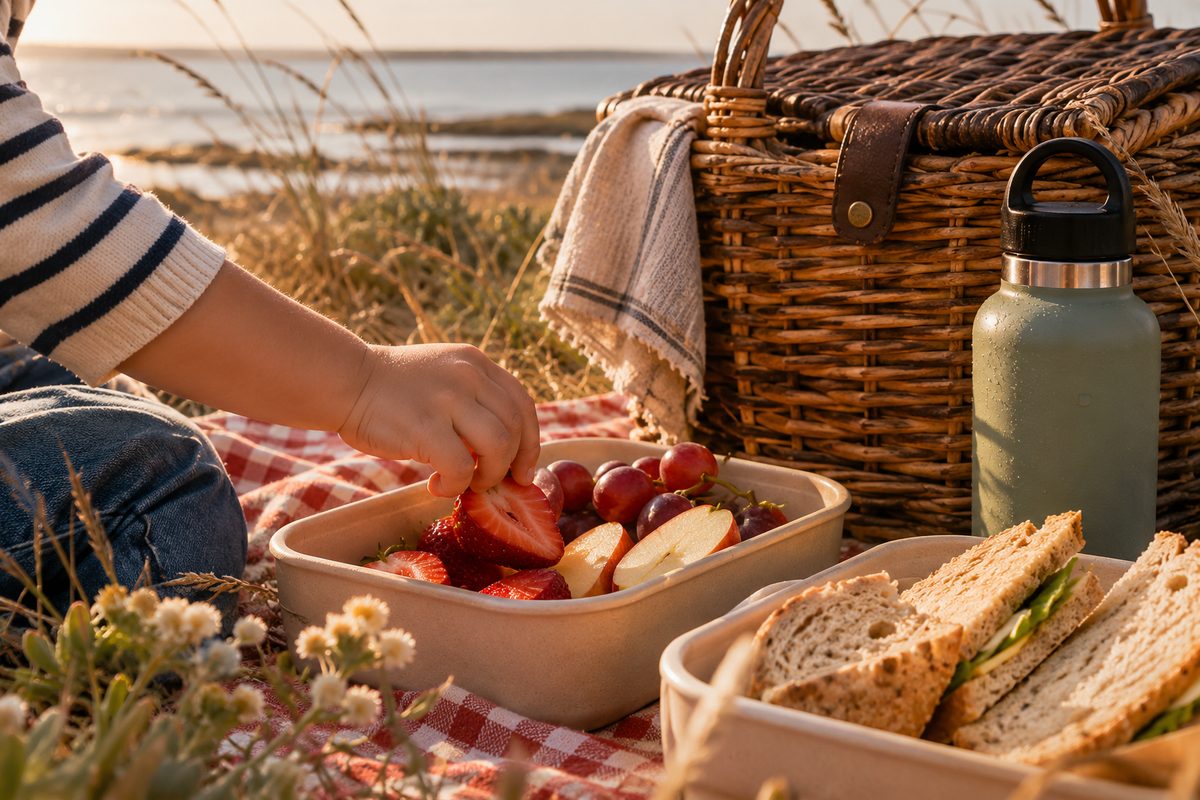
Point Cook Picnic Spots for Families
Point Cook Coastal Park is the best starting point for a family picnic when you want open space, coastal views and nature in one outing. Families who prefer a shorter, simpler visit may find a neighbourhood reserve near Sanctuary Lakes easier. The right choice comes down to wind, shade, toilets, food setup and how far young children can walk.
Point Cook offers two quite different picnic styles. The coast gives you salt air, wildlife and views across Port Phillip. Inland parks offer easier access to shops, sheltered streets and nearby play areas. This guide compares those options so you can choose a place that fits your family rather than relying on attractive photos alone.
Which picnic setting will suit your family?
Choose the coast for a nature-led outing. Choose an inland reserve for a relaxed meal with fewer moving parts. That simple split prevents most poor picnic choices.
Point Cook Coastal Park works well when the picnic is part of a longer outdoor visit. Children can watch the water, look for birds and explore the shore under close adult care. The park also connects the meal to a clear sense of place. You are beside Port Phillip, within a coastal environment shaped by salt, wind and tidal habitat.
A reserve around Sanctuary Lakes suits families who want lawns, paths and a quick trip home if a child becomes tired. These areas can also be useful for meeting another household because the streets and landmarks are easier to explain. Conditions vary between individual reserves, so check signs and facilities at the exact park before setting up.
A small local park may beat both options for toddlers. A ten-minute picnic close to home can be more enjoyable than a long outing built around a tired child. Use the Point Cook Tideline local guide as a starting point, then confirm current access through the relevant park manager.
Why is Point Cook Coastal Park a strong all-round choice?
Its main strength is variety. A family can eat, walk and observe the coast without driving between activities. That makes the day feel full while keeping the plan simple.
The historic homestead precinct and surrounding coastal land give the park a character that suburban lawns cannot copy. Open views also help adults keep track of older children, although vegetation, water and shared paths still require supervision. Families interested in Birdwatching can scan the shore and nearby habitat for waterbirds without turning the outing into a formal expedition.
The trade-off is exposure. A mild day in central Point Cook can feel cooler beside the bay. Strong wind can lift paper plates, chill small children and make food hard to serve. Check the forecast for wind speed as well as temperature. On a breezy day, pack food in sealed containers and take a fitted picnic rug with weighted corners.
Do not assume every part of a large coastal park has the same facilities. A Picnic table may be occupied or located away from the place where your family wants to sit. Bring a rug even if you plan to use a table. Before leaving, confirm opening conditions, parking access and the nearest Public toilet through an official park listing.
Can families picnic near Cheetham Wetlands?
Cheetham Wetlands is best treated as a sensitive nature destination linked to the wider coastal area, not as a lawn where families can spread out anywhere. Its appeal comes from wetland views, bird habitat and the chance to learn how the western shore of Port Phillip supports wildlife.
Plan the meal in a designated picnic area, then add a wetland walk if access conditions suit your group. Stay on marked routes. Keep food scraps secure and avoid feeding birds. Bread and processed picnic food can harm wildlife, change natural feeding habits and draw birds into conflict with people.
Wetlands can also mean insects, soft ground near margins and little shelter from sun or wind. Closed shoes, drinking water and insect repellent make the walk easier. A compact pair of binoculars lets children observe birds without moving close to nests or resting areas.
A useful family activity is to ask children to count different bird shapes rather than chase species names. They might notice long legs, curved bills or birds feeding on the water. This keeps Birdwatching calm and reduces the urge to approach wildlife.
When is Sanctuary Lakes the easier option?
Sanctuary Lakes is often easier when the meal matters more than the destination. Its local reserves and paths suit short picnics, pram walks and informal meet-ups. Nearby homes and commercial areas can also make forgotten food or nappies less of a problem.
The lake itself is part of a managed residential setting. Access rules, parking limits and permitted activities may differ from public coastal parks. Read signs at each reserve. Do not assume that visible grass is open for every use or that the water permits swimming, Fishing or launching small craft.
Shade can change across the day because young trees and nearby buildings cast narrow shadows. Visit around the time you expect to picnic, or use satellite imagery only as an early check. A shaded spot shown in a morning photo may sit in full sun at lunch.
Families with small children should keep a firm boundary near any lake edge. Pick a rug position that places adults between children and the water. This simple layout is more reliable than repeated warnings during the meal.
What facilities should you confirm before leaving?
Confirm the exact facilities at the exact site. Point Cook has parks with similar names and large reserves with entrances far apart. A map pin near a park does not prove that the car park, path or toilet is open.
Check these details before departure:
- Whether a Public toilet is available and how far it is from the picnic area.
- Whether the site has a Picnic table or requires a rug and portable chairs.
- Whether paths suit a pram, wheelchair or child using a mobility aid.
- Whether dogs are allowed and where leads are required.
- Whether gates, car parks or visitor areas close at a set time.
Toilets can decide whether a family stays for twenty minutes or two hours. If no reliable toilet is nearby, use the bathroom before leaving and shorten the outing. Families toilet-training a child may prefer an inland reserve close to known public facilities.
Accessible parking does not guarantee an easy route to the table. Look for information about surface type, slope and path width. Coastal gravel, wet grass and sand can stop a pram or mobility device even when the distance appears short on a map.
Should you plan to cook at the picnic?
Cold food is the safest simple choice unless an official listing confirms cooking facilities. Do not assume a park provides a Barbecue because photos show tables or shelters.
Where a public Barbecue grill is provided, check local rules and fire restrictions before use. Conditions can change during hot or windy weather. Never bring a portable cooker into a place where flames or solid-fuel appliances are banned. A public unit may also be busy, out of service or left dirty by another visitor.
If cooking is allowed, take utensils that keep raw and cooked food apart. Keep meat cold until it reaches the hotplate. Use a clean tray for cooked food rather than returning it to the raw-meat container. Pack rubbish out if bins are full.
A low-effort family menu works better outdoors. Filled rolls, cut vegetables, firm fruit and water travel well in sealed boxes. Avoid foods that melt fast or need long periods on a shared hotplate. The goal is to spend time together, not manage a complicated outdoor kitchen.
How do wind and weather change the choice?
Wind matters more than the forecast headline. Coastal Point Cook can be exposed even when the temperature looks pleasant. Check hourly wind, rain and heat conditions on the morning of the picnic.
On a hot day, choose an early session and avoid relying on a small tree for shade. Pack broad-brimmed hats, sunscreen, extra water and a shade structure only where park rules allow it. Secure any structure properly because sudden gusts can turn loose equipment into a hazard.
After rain, inland lawns may become muddy while firm coastal paths remain usable. The reverse can happen when exposed coastal areas are unpleasant in strong wind. Keep one backup reserve close to home so a weather change does not cancel the meal.
For a hypothetical example, consider a family with a toddler and a baby in a pram. A calm morning at the coast may suit them well. The same place during strong afternoon wind could make feeding difficult and leave the baby cold. Moving to a sheltered neighbourhood reserve would solve the main problem without changing the whole day.
How can children enjoy the coast without disturbing wildlife?
Give children a clear job that keeps them on paths and away from animals. A simple observation sheet can ask them to mark colours, tracks and bird movements. Use four or more prompts rather than turning the walk into a race.
Adults should carry all food waste, including fruit peel. Natural-looking scraps still alter animal behaviour and can take time to break down. Keep noise low near feeding or resting birds. Never allow children to handle eggs, feathers, nests or injured wildlife.
Fishing requires its own planning. Victorian licence rules, permitted locations, size limits and other controls can apply. Hooks and discarded line pose a serious risk to birds and children. If someone in the group plans to fish, check current Victorian rules and choose a legal location away from the picnic rug. Store hooks in a closed tackle box and take every piece of line home.
The safest approach near water is active adult supervision. Choose one named adult to watch young children rather than assuming the whole group is watching. Swap that role clearly when the adult needs a break.
What should you pack for a low-stress family picnic?
Pack for the site you confirmed, not for an ideal version of it. A coastal trip needs protection from wind and sun. A local lawn may need more seating and activities.
- A waterproof rug with clips or weighted corners.
- Sealed food boxes, reusable cups and enough drinking water.
- Sunscreen, hats, warm layers and insect repellent.
- Hand wipes, rubbish bags and a small first-aid kit.
- Binoculars, a ball or quiet nature activities suited to the site.
- Any medicines, feeding items or spare clothes your children need.
Keep the first meal simple and place it near the top of the bag. Hungry children rarely want to wait while adults unpack chairs and games. Put wet wipes and rubbish bags where they can be reached with one hand.
Leave glass at home. Reusable plastic or metal containers are safer around bare feet and wildlife. Label drink bottles if several families are meeting.
How do you choose between two good picnic spots?
Use the needs of the youngest or least mobile person as the deciding factor. Scenic value means little if the toilet is too far away or the path cannot take the pram.
- Set the maximum travel and walking time your family can manage.
- Confirm toilets, access, parking and current park conditions.
- Compare wind exposure and useful shade for the planned hour.
- Choose the site with the fewest points that could end the visit early.
- Save a nearby backup place in case conditions change.
Point Cook Coastal Park is the stronger choice for a half-day outing built around nature. Sanctuary Lakes and other local reserves are better for a short meal, a pram walk or a gathering that needs easy access to nearby services. Neither option wins every time because they serve different family plans.
Before your picnic, choose one site, confirm its toilet and access details through an official source, then check the hourly wind forecast on the day.