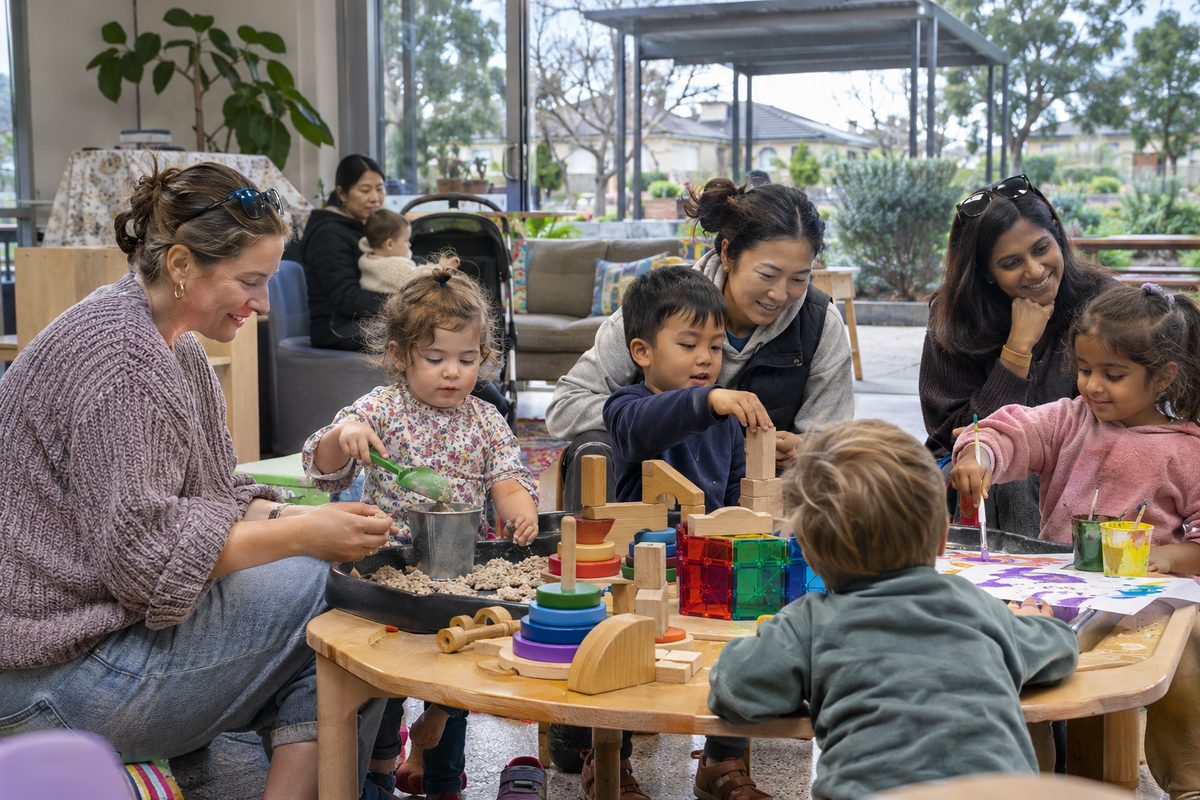
Point Cook Playgroups
Point Cook playgroups give young children a place to play with others while parents and carers build local connections. The best group is one that suits your child’s age, your weekly routine and the type of support you want. Some sessions centre on free play. Others use Music, stories or guided activities. Times, fees and booking rules can change, so confirm every detail with the organiser before attending.
A playgroup is different from childcare. A parent, grandparent or other carer usually stays and remains responsible for their Child. The session creates a shared setting for play rather than replacing family care. This simple model can help families meet people nearby without making a long or costly commitment.
What should you look for in a local group?
Start with practical fit. A good session at the wrong time will be hard to attend. Check the day, start time, session length and travel time from home. Ask whether bookings are required and whether the group runs during school holidays. Some groups welcome casual visits, while others use term enrolments or waiting lists.
Then look at the session itself. Ask how much time is set aside for child-led play. Find out whether activities suit babies, toddlers or mixed ages. A crawling baby needs a different space from an active four-year-old. Mixed-age sessions can still work well when the room has safe zones and enough suitable equipment.
The physical setting matters. Check whether prams can enter easily and whether there is a safe place to leave them. Ask about toilets, change facilities and secure exits. Outdoor access can be useful, but shade and weather plans matter. Families near busy roads or large sites such as RAAF Williams should also allow for traffic and parking conditions when planning the trip.
Ask what the fee covers. A low session fee may pay for room hire, insurance, craft supplies or snacks. Confirm whether payment is per visit or per term. If cost is a concern, ask the organiser about trial visits, sibling fees or supported programs before deciding the group is out of reach.
Where can families search for current sessions?
Use sources that are likely to be maintained by the people running the sessions. Playgroup Victoria offers information about playgroups and ways to search for registered groups. Wyndham City community listings can also help families identify local venues, programs and contact details. These sources are useful starting points, but a listing should never replace direct confirmation.
Point Cook Community Learning Centre, Jamieson Way Community Centre and Saltwater Community Centre are sensible places to check for family programs. This does not mean each venue has a suitable session on every date. Programs can move, pause or fill. Contact the venue and ask for the current timetable.
Local Kindergarten services, early learning providers, neighbourhood houses, churches and parent networks may also know about sessions. Ask whether the group is open to the public. Some programs serve a set membership or a specific cultural, faith or support network.
The Point Cook Tideline can help families explore more local information, but attendance details should still be checked with the organiser. Social media posts can become old fast. Look for a recent date, then confirm the next session by phone, email or the organiser’s official page.
Which session style will suit your child?
There is no single best format. Choose according to how your child joins play and how much structure helps them feel safe.
Free-play sessions
Free play lets children choose an activity and move between areas at their own pace. This can suit children who need time to watch before joining. It also gives carers room to notice what holds the child’s interest.
A useful free-play room has options for different levels of activity. Floor toys may suit babies, while blocks or pretend play can hold the attention of older children. The aim is not to make every child use every activity. Choice is part of the value.
Music and movement sessions
Music can give a session a clear rhythm. Repeated songs help children learn what comes next. Action songs also invite movement without demanding complex instructions.
Movement activities may support a Motor skill such as jumping, reaching or using both hands together. The benefit comes from regular, enjoyable practice. A playgroup activity is not a test, and children should not be compared by how quickly they copy an action.
Story and Language sessions
Stories, songs and shared talk expose children to Language in a social setting. A child may hear the same phrase several times while watching actions and facial cues. Children who speak another language at home do not need to stop using it. Families can ask whether bilingual songs, familiar books or visual prompts are welcome.
Some children listen from the edge of the group before taking part. That still counts as engagement. A leader who allows children to watch without pressure can make group time easier.
Outdoor and nature-based sessions
Outdoor play offers more room for large movements and messy activities. Check whether the site is fenced and what happens in heat or rain. Ask what clothing is useful and whether families must bring water, sun protection or a change of clothes.
Do not assume outdoor play must be highly organised. Sand, water and open-ended objects can hold attention without a complex lesson. Close supervision remains the carer’s job unless the organiser states otherwise.
How can playgroups support early learning?
Playgroups can support Child development through repeated chances to explore, communicate and take part in shared routines. Their main strength is ordinary practice. Children can watch another child use a toy, wait briefly for space or ask an adult for help.
Early childhood learning often happens through repetition. Filling a container, emptying it and starting again may look simple. The child is testing size, weight and cause. Building a tower and watching it fall adds another small experiment.
Social learning is less direct. Young children may play beside each other before they play together. This is common. A toddler does not need to share every object or join a large activity for the session to have value. Adults can support the process with short phrases such as “Sam is using that now” or “You can have a turn next.”
Playgroup can also make later group settings feel more familiar. Sitting for a short song, packing away and moving to another activity are common routines. This does not turn playgroup into Kindergarten preparation classes. It gives children low-pressure experience with shared spaces and transitions.
What should you ask before the first visit?
A short message can prevent a wasted trip. Ask the organiser to confirm the next session date and whether there is space. State the age of your child and mention any access or support need that affects attendance.
- Is the session designed for a set age range?
- Does a parent or carer stay for the full session?
- Is booking required, and what does the session cost?
- Can siblings attend?
- Does the venue have pram access and change facilities?
- What should families bring?
- Are food or allergy rules in place?
- Who should be contacted if the child needs an adjustment?
If your child has a disability, sensory need or medical plan, ask specific questions. Find out how loud the room becomes and whether there is a quieter area. Ask whether the planned activities can be changed. Clear information helps both the family and organiser prepare.
Food rules deserve attention. Some groups provide snacks, while others ask families to bring their own. Follow the organiser’s allergy policy even if your child has no known allergy. Wash hands when asked and do not share food unless the rules allow it.
How do you judge a group after one visit?
Judge the welcome, safety and overall fit rather than your child’s mood alone. A child may cling, cry or refuse an activity in a new room. One unsettled visit does not prove the group is wrong.
Notice how the organiser speaks to children. Instructions should be clear and calm. Children should be allowed to join at their own pace. Watch whether adults supervise exits and respond to unsafe behaviour. Ask yourself whether you understood who was responsible for each part of the session.
Consider your own experience too. A strong Community group makes it possible for new carers to enter conversations. Existing friendships are normal, but the group should not feel closed. A simple introduction from the organiser can make a large difference.
Try the session again if the setting felt safe and the main issue was unfamiliarity. Choose another group if the schedule causes stress, the space does not meet your child’s needs or the organiser cannot answer basic safety questions.
How can you make the first few visits easier?
Tell your child what will happen in plain words. For example: “We are going to a room with toys. I will stay with you.” Avoid promising that they will make a friend or love the session. Those outcomes cannot be forced.
Arrive with enough time to settle, but do not arrive so early that staff are still preparing the room. Bring the items named by the organiser. Label drink bottles and anything likely to be left behind.
Let the child watch. You can sit near an activity and describe what is happening without pushing them to join. If they choose one toy for most of the session, that may be their way of managing the new place.
Use the same goodbye routine when leaving. Help with pack-up if the group expects family involvement. Repeated routines make the setting easier to predict.
What role do parents and carers play?
The adult is an active part of the playgroup. Staying in the room is not the same as supervising. Keep your child within sight and follow the group’s rules for doors, equipment and food.
Give children space to attempt tasks before stepping in. If two children reach for the same object, pause long enough to see whether they can solve the problem. Step in when safety or strong distress requires it.
Parents and carers also shape the social tone. Introduce yourself to one person and learn the organiser’s name. Offer help with a small task when appropriate. Reliable involvement can turn a weekly session into a useful local support network.
Privacy matters. Ask before photographing any child who is not your own. Do not post group images without clear permission. Follow venue rules even when a session feels informal.
How should you compare your final options?
Make a simple list based on your real week. Include travel time, total cost, age fit and the amount of structure. Add access needs and the way your child reacts to busy spaces. This gives you a clearer answer than choosing the group with the most activities.
- Check Playgroup Victoria and local venue information for possible sessions.
- Confirm the next date, fee and booking rule with each organiser.
- Choose the safest option that fits your normal routine.
- Attend one session and note what worked.
- Try a second visit when the first was safe but unfamiliar.
A hypothetical family with a two-year-old who dislikes loud rooms may gain more from a small free-play session than a packed music program. Another family may prefer songs and set routines because their child settles when the order stays the same. The right choice comes from fit, not from the longest activity list.
What should you do now?
Choose one suitable Point Cook playgroup, confirm its next session directly with the organiser and book a first visit.