Point Cook Toy Libraries
Point Cook families can borrow toys through local community toy library services, but they should confirm the current location, membership rules and opening hours before visiting. Toy libraries are often run by volunteers from community centres rather than through the standard public Library system. Details can change when committees, venues or session times change.
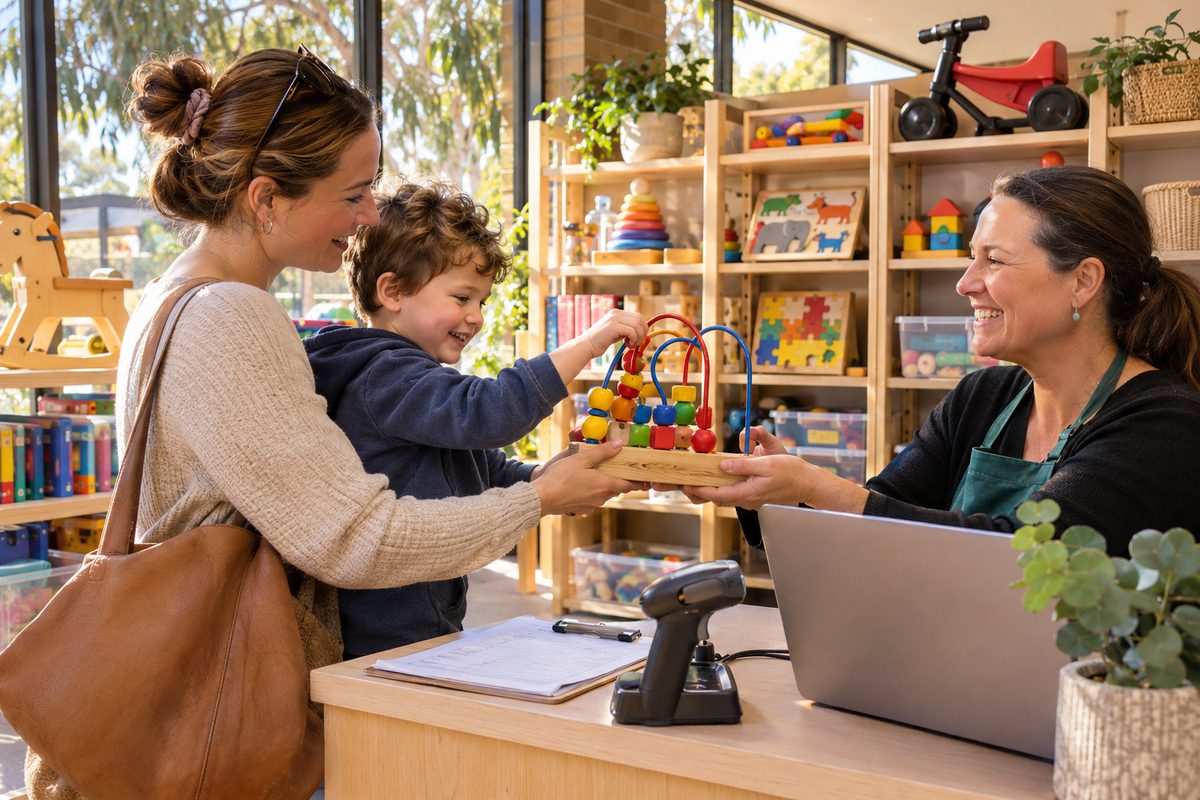
A toy library lets a family borrow play equipment for a set period. The service works much like book borrowing, although members may pay a Fee, complete volunteer duties or agree to extra care rules. This can give a Child access to more suitable toys without filling the home with items that lose their appeal within weeks.
This guide explains how to find Point Cook toy libraries, judge whether membership offers value and prepare for each Loan. It stays focused on toy borrowing. Families seeking story time, craft sessions or school holiday programs can read the separate guide to Point Cook community and library activities.
Where should families look for a toy library near Point Cook?
Start with community centres in Point Cook and the wider Wyndham area. Toy libraries commonly operate from neighbourhood houses, early-years venues or shared council buildings. Search the current centre program, contact the venue and check the national directory maintained by Toy Libraries Australia. A social media page can offer recent notices, but the host venue or toy library committee should confirm the details.
Do not assume that a service using the word “library” sits inside Point Cook Library. Public libraries lend books and may run children’s programs, while toy libraries usually have separate memberships and borrowing systems. A venue may host both types of service without managing them in the same way.
Families should check nearby Wyndham suburbs if a Point Cook session is full, closed for a break or held at an awkward time. A service ten minutes farther away may be more useful if it opens on a suitable weekend or offers online toy reservations. Travel time matters because toys must be collected and returned during set sessions.
Before making a trip, confirm the street address, entrance and parking arrangements. Ask whether the session runs during school holidays. Volunteer groups may pause borrowing when the venue closes or when there are too few people available to staff a session.
How does toy borrowing usually work?
Members choose toys from the available collection and record each item against their account. The Loan period may run for a few weeks, after which the toy must be returned complete and clean. Limits can apply to the number or type of items borrowed at once.
Each service sets its own process. Some use an online catalogue, while others require members to browse during an open session. Larger items may need a booking. New members may also receive a short induction covering safe use, cleaning and missing parts.
Check these points before joining:
- The standard borrowing period and whether renewals are allowed.
- The number of toys included in each Loan.
- Late charges and the process for reporting a broken item.
- Whether batteries, storage bags or instruction sheets come with the toy.
- What happens when a piece cannot be found.
- Whether members must help during borrowing sessions or stock checks.
Photograph a complex toy when you unpack it. This gives you a quick record of its pieces and helps with repacking. Keep the toy’s label or inventory card beside its storage bag rather than allowing it to mix with household toys.
What does membership cost?
A toy library may charge an annual Fee, a shorter membership rate or a small amount for each borrowed item. Volunteer-run groups often keep prices below the cost of buying one large new toy, but families should compare the full conditions rather than looking at the membership price alone.
Ask whether there is a joining charge, bond or replacement cost for missing pieces. Some services offer a reduced Fee for concession card holders. Others lower the rate when a member agrees to help at sessions. Volunteer duties can include checking returned items, counting pieces or helping families use the catalogue.
Work out value based on likely use. If a household borrows one item every few months, casual borrowing may suit better where it is offered. A family that changes toys often can gain more from an annual membership. The strongest value usually comes from borrowing bulky or costly items that a child may use for a short stage.
For a simple comparison, divide the total yearly cost by the number of visits you expect to make. Add likely travel and any required volunteer time. This produces a realistic cost per visit and makes two services easier to compare.
How should borrowed toys be checked?
Count the pieces before leaving if the service allows time. Compare them with the inventory label and report any difference at once. This protects the next borrower and prevents confusion when the toy returns.
Inspect wheels, handles, cords and fasteners. Stop if a part looks cracked or unstable. Check that electronic toys have a closed battery compartment. For climbing or riding equipment, follow the service’s instructions and the manufacturer’s limits.
Supervision still matters when a toy carries an age rating. The rating deals with broad safety and skill needs. It cannot account for the room, nearby siblings or the way one child uses an item.
What hygiene steps should families follow?
Good Hygiene starts with the service’s cleaning policy. Ask whether staff or volunteers clean every return and whether members must clean toys before bringing them back. The answer should include a clear process for items that have been mouthed or exposed to illness.
Clean according to the material and the toy library’s directions. A hard plastic toy may tolerate wiping, while wood, fabric or electronic parts can be damaged by soaking. Do not apply a strong chemical unless the service approves it. Residue can remain on a toy that young children touch or mouth.
Set aside any toy used by a sick child and contact the service before returning it. Tell them what happened so the item can receive suitable care. Place cleaned pieces on a dry surface and make sure they are fully dry before closing the storage bag. Trapped moisture can cause odour or damage.
Handwashing before and after shared play adds a simple layer of protection. It does not replace cleaning the item, especially when babies place toys in their mouths.
How do toy libraries reduce household waste?
Toy borrowing supports Waste minimisation by sharing one product across many homes. This can reduce demand for short-lived purchases and keep usable toys in service for longer. It also gives families a way to test an item before deciding whether ownership makes sense.
The largest gain comes from borrowing toys tied to a brief stage. Push walkers, baby activity centres and large pretend-play sets may hold attention for a limited time. Shared use spreads the material and production cost across more children.
Borrowing does not remove all waste. Toys still wear out, batteries are consumed and travel has an impact. Careful use improves the result. Return every piece, report damage early and follow cleaning directions so the item lasts.
Families can apply the same rule to purchases. Borrow first when possible. Buy only when the child returns to the same type of play and the item will receive frequent use. Pass on safe toys once they are no longer needed.
How can parents make each loan more useful?
Choose one play goal based on what the child already enjoys. A child who lines up cars may like a road set. A child who copies cooking may stay engaged with a kitchen kit. This follows the child’s interest instead of forcing an activity chosen only for its educational label.
Introduce the borrowed item in a clear space. Keep some household toys out of sight during the first play session. This makes the new item easier to explore and reduces lost pieces.
Let the child repeat an action. Repetition is part of Learning because it helps children test cause and effect, improve control and remember a sequence. Adults can add simple words to the play without taking over. Describe what happened or ask one useful question, then allow time for an answer.
About halfway through the Loan, notice whether the toy still draws interest. If it does, try a fresh setup. Move the blocks onto a mat or add paper signs to a pretend shop. If the toy remains unused, pack it carefully and choose a different type next time.
When is buying a toy the better choice?
Buy when the child uses the same type of toy often, the household has room for it and long-term access matters. Art tools, a favourite construction system or equipment used most days may offer better value when owned.
Borrow when the toy is costly, bulky or suited to a short growth stage. Borrowing also works well before birthdays because it reveals whether an item holds attention beyond the first burst of excitement.
A hypothetical example shows the difference. A family considering a large play kitchen could borrow one first. If the child uses it for role play throughout the Loan, buying a durable version may make sense. If it becomes a storage shelf after two days, returning it saves money and floor space.
What should you confirm before joining?
Contact the service directly and ask for its current membership guide. Read the rules for fees, returns, damage and cleaning. Confirm that sessions fit the household schedule and that the collection serves the child’s age.
- Check the current address and opening dates.
- Compare the Fee with the number of loans you expect to use.
- Ask about volunteer duties and concession rates.
- Review the Loan limit, renewal rules and late charges.
- Confirm the Hygiene process for returned items.
- Choose one safe toy linked to the child’s current play.
Point Cook toy libraries are most useful when borrowing becomes a steady habit rather than a one-off visit. Take one action today: contact the nearest current service and ask for its membership rules and next open session before travelling.
Point Cook toy libraries support Child development by giving families access to age-appropriate toys that encourage play, creativity, problem-solving, and social interaction.